10 Blue and Cream Kitchen Ideas for Stylish, Timeless Spaces
If there’s one colour combination I keep coming back to when designing kitchens, it’s blue and cream. There’s something about the way these two shades interact that creates a space that’s both calming and stylish.
Blue brings a sense of freshness and depth, while cream adds warmth and a welcoming softness. Together, they form a palette that’s versatile enough to suit everything from a classic Edwardian kitchen to a modern coastal-inspired space.

Over the years, I’ve seen countless ways this combination can transform a kitchen. Whether you want a bold visual statement, a serene retreat, or a fun and eclectic vibe, blue and cream have you covered.
Below, I’m sharing ten of my favourite blue and cream kitchen ideas, along with tips on how to bring each look to life in your own home.
Table of Contents
- 1. Contrasting Navy Blue and Cream
- 2. Mix Traditional with Contemporary
- 3. Use Cream and Blue to Optimise Space
- 4. Pastel Blue and Cream for a Country Rustic Look
- 5. Create an Edwardian Feel
- 6. Create a Cool Coastal Vibe
- 7. Add a Big Visual Impact
- 8. Inject a Little Grey
- 9. Think Pink When Incorporating Accents
- 10. Go Turquoise for a Fun Electric Feel
- Conclusion: Designing Your Perfect Blue and Cream Kitchen
1. Contrasting Navy Blue and Cream

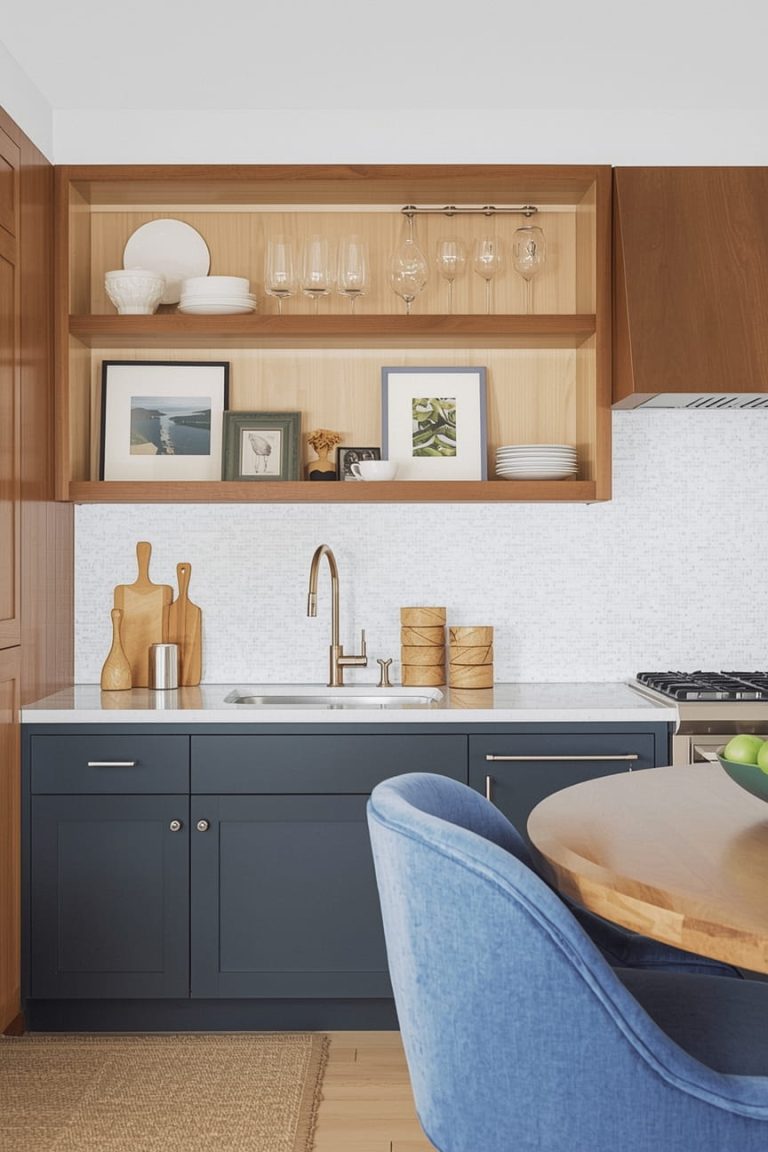
One of my favourite ways to create drama and sophistication in a kitchen is by pairing navy blue cabinets with cream surfaces. Dark blue adds a sultry, moody element, while cream balances it with lightness and warmth. This contrast works particularly well in contemporary kitchens, where bold choices often define the overall aesthetic.
To really make this combination pop, I recommend pairing navy cabinets with cream worktops and cream metro tiles for the backsplash. The cream reflects light and prevents the deep blue from feeling too heavy. For added glamour, brass or gold handles and fixtures elevate the look, giving the kitchen a polished, high-end finish.
This pairing isn’t just beautiful—it’s versatile. Navy and cream can anchor a modern open-plan kitchen or add a dramatic focal point in a more compact space. It’s a combination that feels both contemporary and timeless.
2. Mix Traditional with Contemporary

For those who love a little contrast in their design, mixing traditional and contemporary elements in a blue and cream kitchen can be incredibly effective. I often suggest starting with cream cabinetry and a solid wood worktop to establish warmth and timeless appeal.
From there, you can introduce modern touches like a dark blue feature wall or grey tiles. Adding black accents through handles or kitchen accessories helps to ground the space, creating a sophisticated balance between old and new.
This approach works well in both open-plan and closed kitchens. The cream keeps the space feeling light and welcoming, while blue adds a contemporary edge that prevents the design from feeling dated. In my experience, this style is perfect if you want a kitchen that’s dynamic, layered, and full of character.
3. Use Cream and Blue to Optimise Space
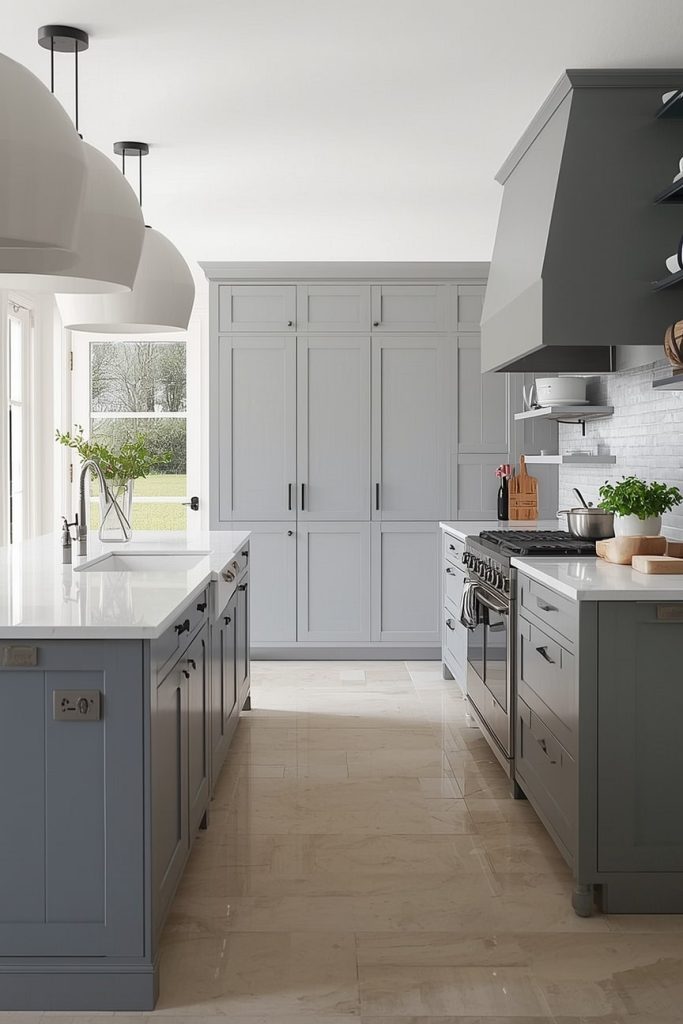
If you’re working with a smaller kitchen, blue and cream can help you maintain a sense of openness without sacrificing style. My tip is to make cream the dominant colour for your units, worktops, and tiles, reserving light blue for accents like appliances, bar stools, or a kitchen island.
This approach ensures that the room feels airy and spacious while still adding visual interest. Even small details, like a subtle blue splashback or turquoise accessories, can break up the cream and give the space personality.
I’ve used this strategy many times for compact kitchens, and it works wonders. You can have a kitchen that feels bright, fresh, and welcoming without overcrowding the space with too many colours or patterns.
4. Pastel Blue and Cream for a Country Rustic Look

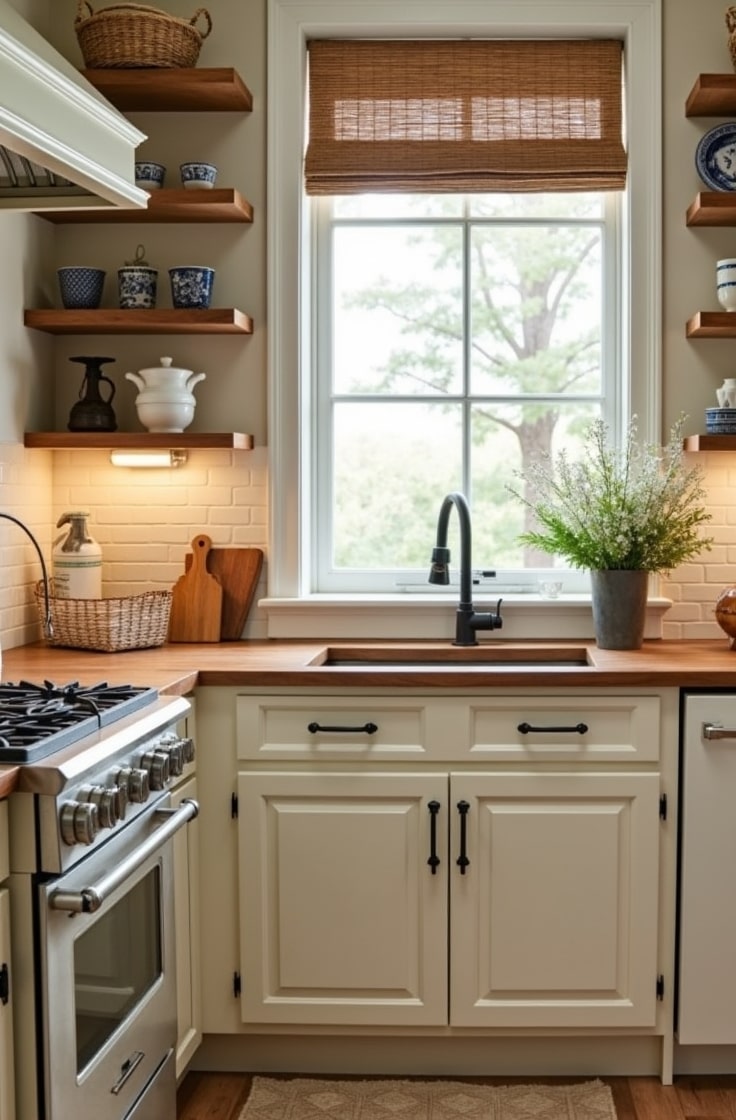
For a kitchen with country charm, pastel blue and cream are a match made in heaven. Soft blue shaker cabinets paired with cream tiles instantly create a warm and cosy atmosphere. To enhance the rustic vibe, I always add wooden elements like solid wood worktops or shelving.
A farmhouse sink is another key component. I recommend a generously sized white or cream apron sink to complement the pastel cabinetry. Open shelving can display rustic kitchenware, while floral patterns on tiles, curtains, or accessories bring a gentle, lived-in feel.
This style works beautifully in homes that aim to feel welcoming and homey, making it perfect for family kitchens where comfort and practicality matter just as much as style.
5. Create an Edwardian Feel
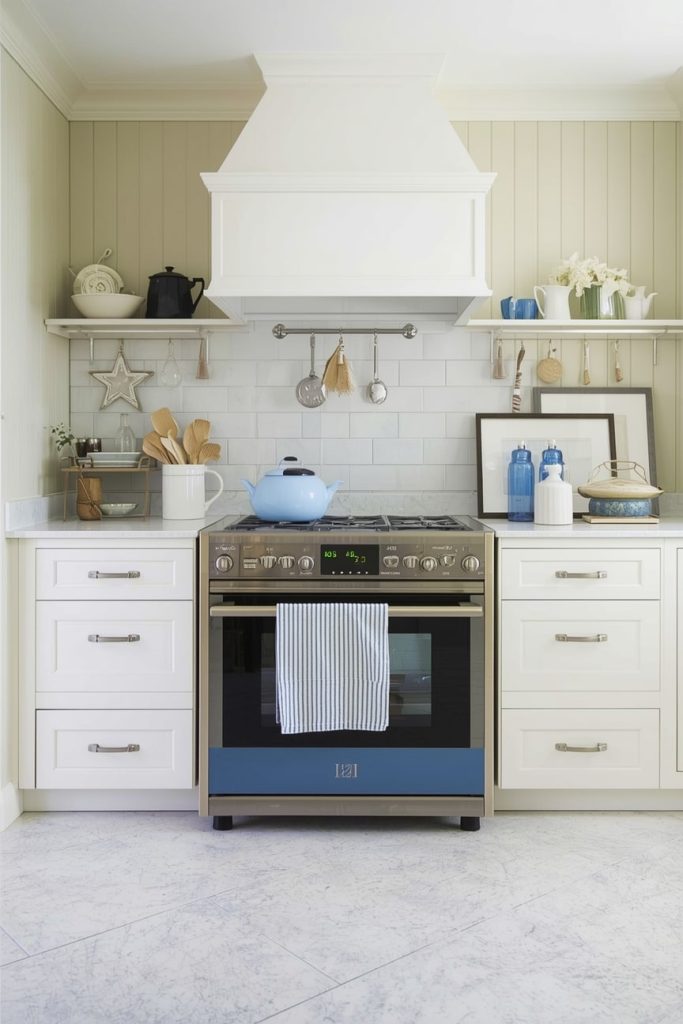
If you love a more classic, period-inspired kitchen, blue and cream are perfect for achieving an Edwardian aesthetic. Light, chalky blue cabinets paired with cream worktops evoke the charm and elegance of early 20th-century design.
For authenticity, I suggest incorporating blue-and-white floral tiles, reminiscent of the Edwardian era. These subtle patterns add detail and historical charm without overwhelming the space. Cream walls and cabinetry balance the blue, keeping the kitchen feeling light and airy.
Accessories and hardware in muted metallic tones—think brushed brass or antique gold—complete the Edwardian feel, adding understated sophistication. This style works especially well in older homes or kitchens where you want to celebrate classic architectural features.
6. Create a Cool Coastal Vibe
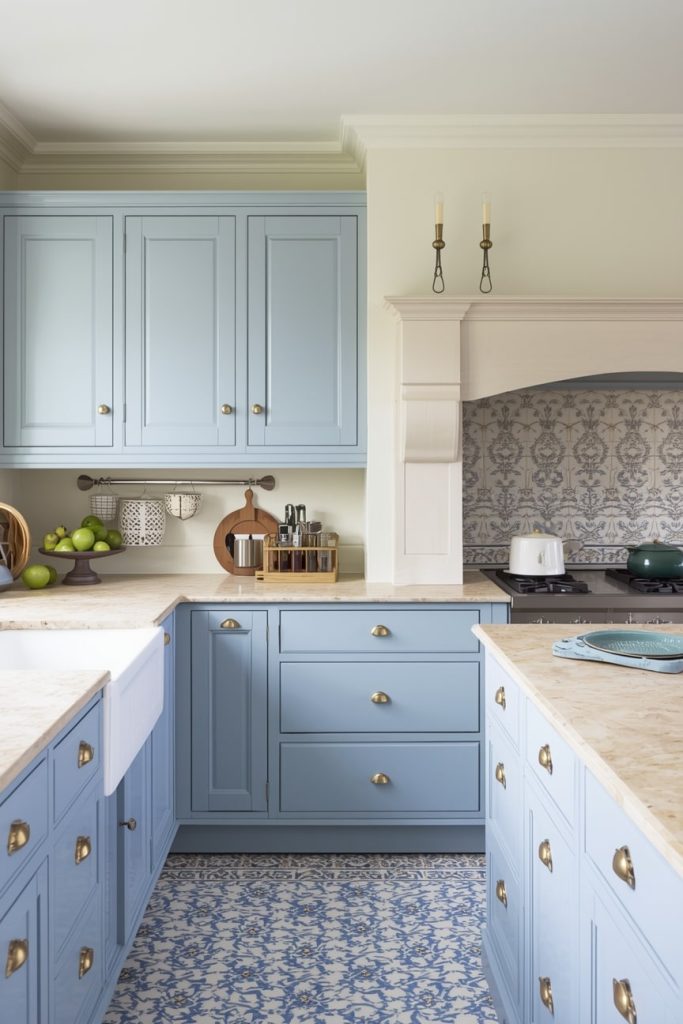
One of my favourite ways to use blue and cream is to create a coastal-inspired kitchen. This style is all about calm, light, and subtle seaside charm. To achieve it, I make cream the predominant colour for cabinets, tiles, and worktops, and use serene blue accents throughout.
White worktops enhance the coastal feel, while soft blue tiles evoke the ocean. Small touches, like striped tea towels, oven mitts, or even cushions on a breakfast nook bench, reinforce the beach hut vibe. Driftwood decorations or glassware can further enhance the relaxed, coastal ambience.
Coastal kitchens in blue and cream feel soothing, inviting, and timeless. They’re perfect for anyone who wants their kitchen to feel like a retreat where cooking, dining, and socialising are all a pleasure.
7. Add a Big Visual Impact
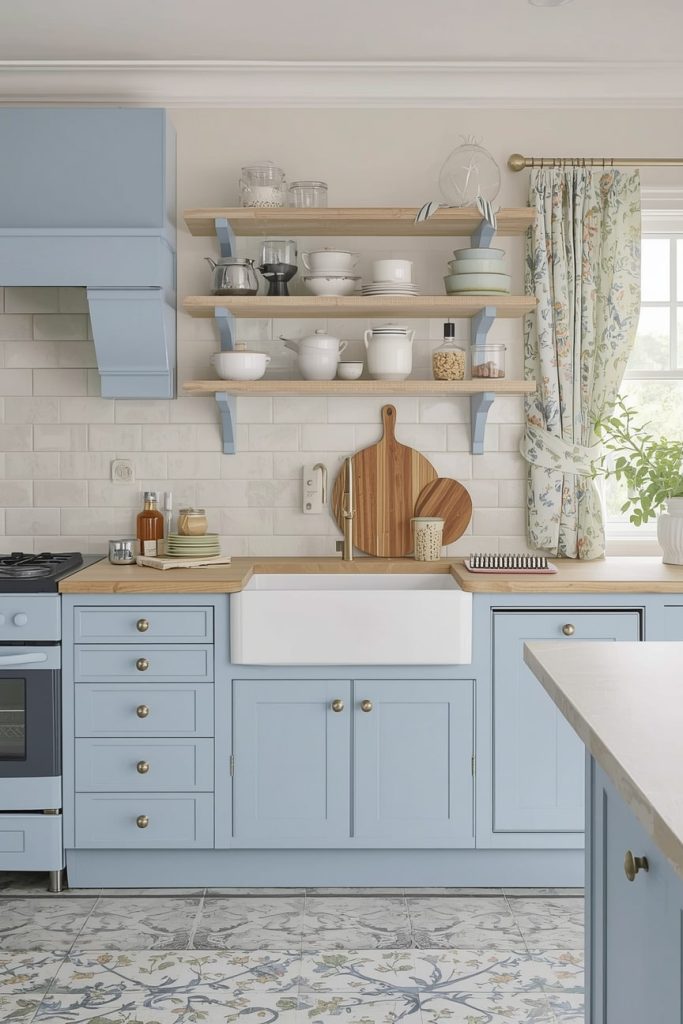
For kitchens where you want bold drama, colour blocking with blue and cream is an excellent strategy. My approach is to keep the upper units in cream or off-white to maintain airiness, while concentrating the blue in lower units, islands, or a specific feature wall.
This method draws the eye, creates a sense of height, and adds a striking visual punch without overwhelming the room. It works especially well in open-plan kitchens, where you can guide the viewer’s focus toward functional zones, like the island or cooking area.
In my experience, well-planned colour blocking gives a kitchen a high-end interior look while remaining practical and accessible for everyday life.
8. Inject a Little Grey
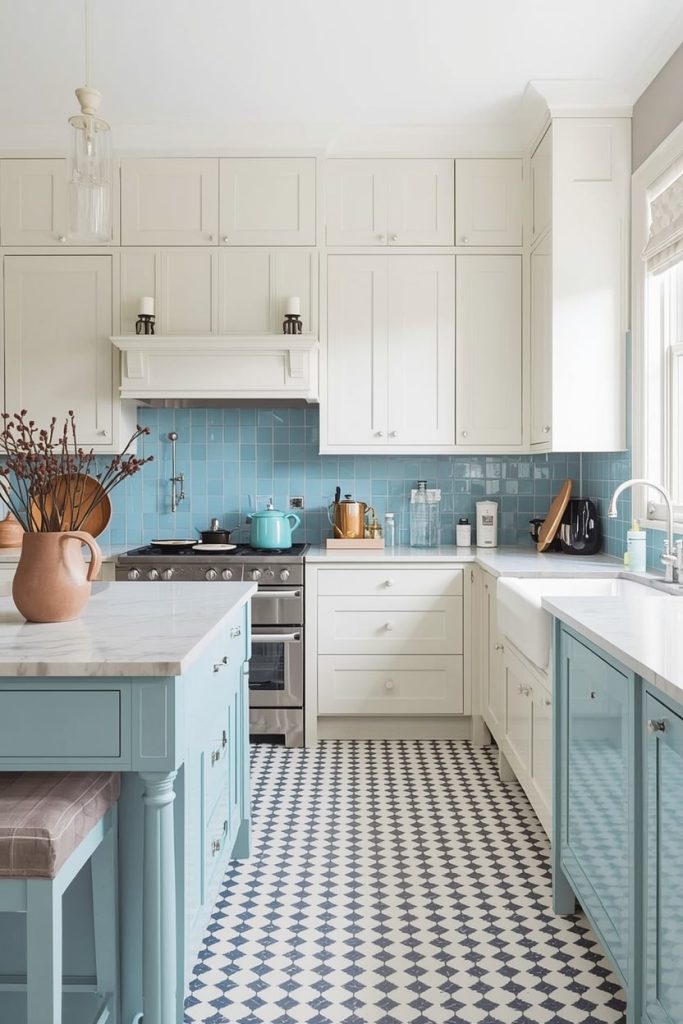
Adding grey elements to a blue and cream kitchen is a subtle but highly effective way to elevate the design. Grey adds sophistication and can help balance the warmer cream tones and cooler blues.
I often suggest grey units, oversized light pendants, or even grey-tiled splashbacks to introduce this element. The result is a serene, cloud-like effect that brings depth and dimension to the kitchen.
This approach works well in modern and transitional designs alike. Grey acts as a neutral bridge, allowing blue and cream to stand out while keeping the overall palette cohesive and elegant.
9. Think Pink When Incorporating Accents
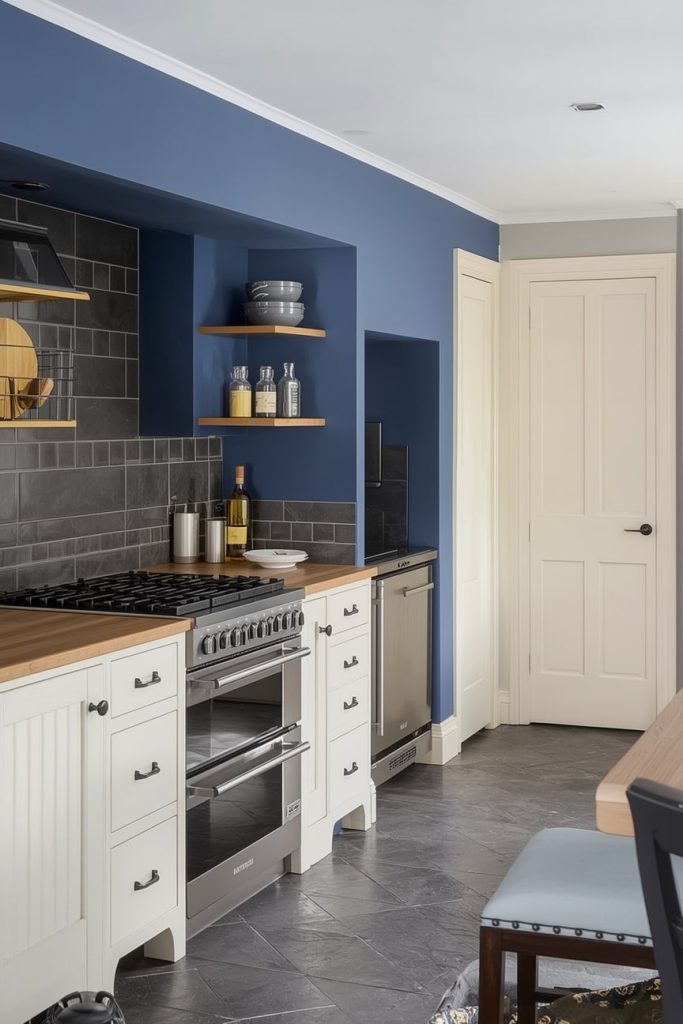
Contrasting colours can add unexpected charm to a blue and cream kitchen, and pink accents do this beautifully. I usually recommend using subtle blush tones or even a bolder pink in small doses, like on cabinet handles, a backsplash, or a feature wall.
The key is restraint. Too much pink can overwhelm the calmness of the cream and the freshness of the blue. When used sparingly, pink introduces warmth, personality, and a playful element, making the kitchen feel unique without losing its elegance.
This technique is perfect for those who love a hint of colour that surprises without dominating the overall scheme.
10. Go Turquoise for a Fun Electric Feel
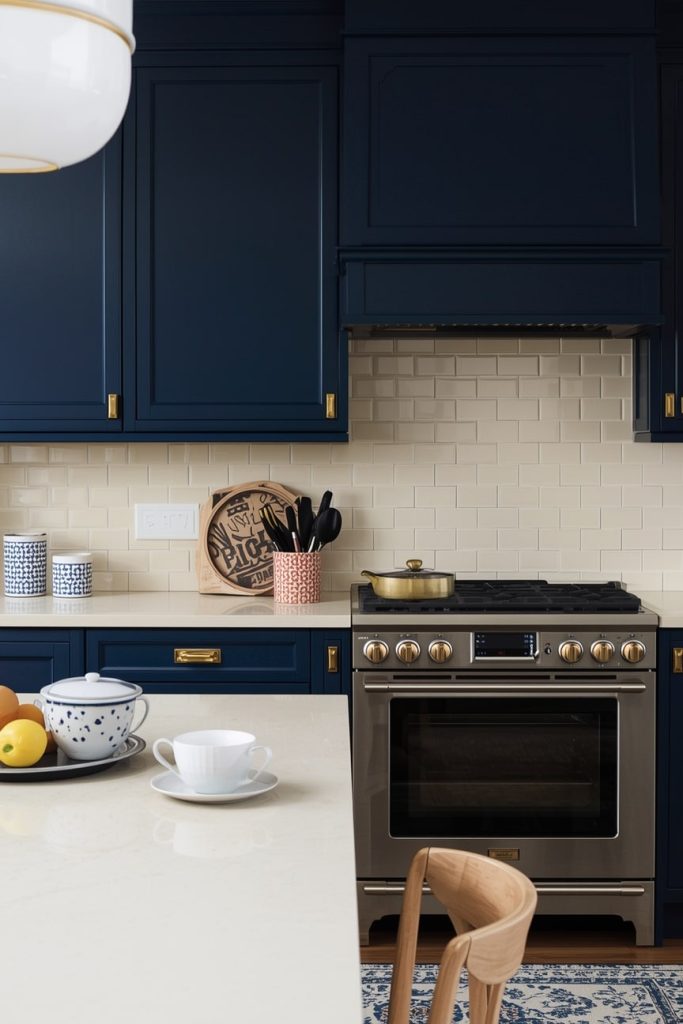
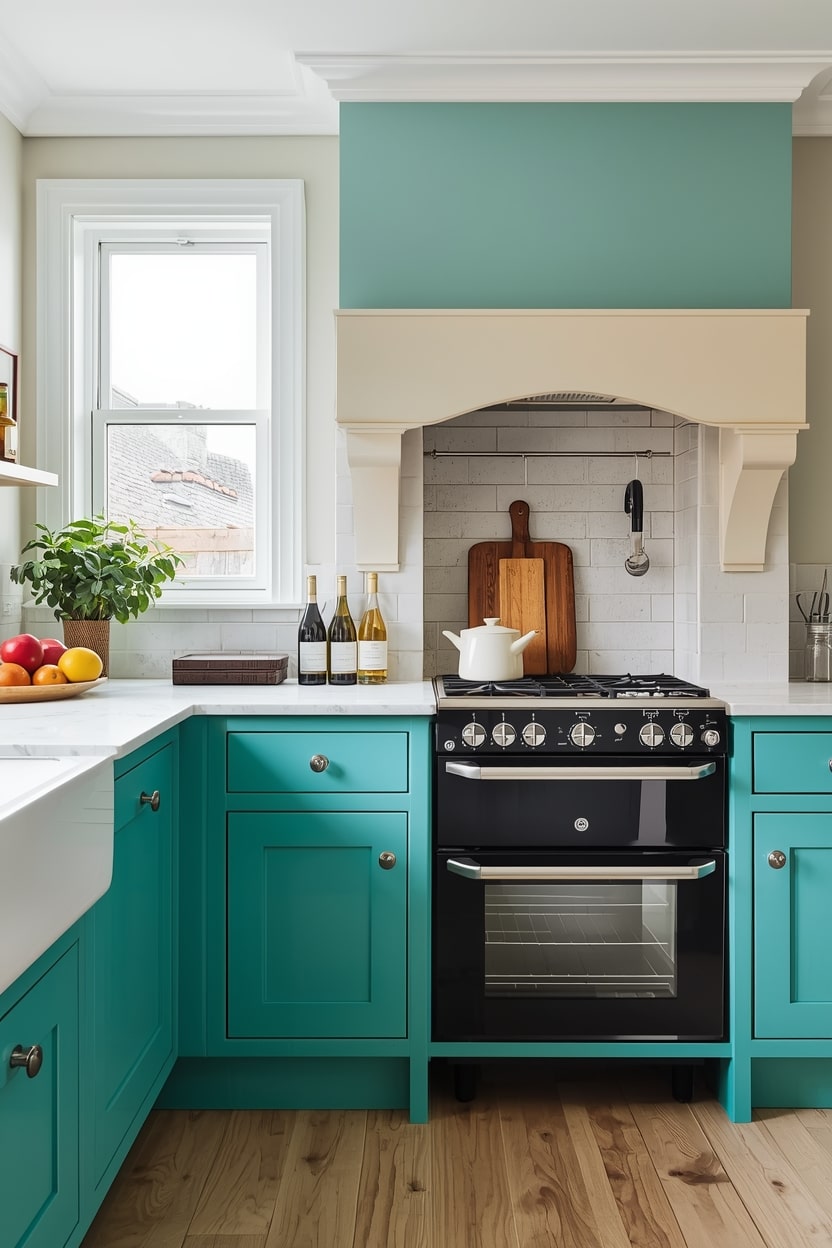
Finally, for a kitchen that really pops with personality, turquoise and cream are a fun and lively combination. Turquoise can be used as the primary colour in units or as a statement feature like a cooker hood, while cream balances the vibrancy.
This palette is perfect for homeowners who want their kitchen to feel energetic, creative, and full of life. Turquoise injects boldness and fun, while cream prevents the space from feeling overwhelming.
In my experience, turquoise works especially well in kitchens where you want a contemporary, eclectic feel, or in spaces with high natural light, which amplifies the brightness of both the blue and cream shades.
Conclusion: Designing Your Perfect Blue and Cream Kitchen
Blue and cream kitchens offer a perfect balance of calm, style, and versatility. From contrasting navy and cream for drama, to pastel and rustic combinations, and coastal or Edwardian-inspired kitchens, there’s a way to adapt this palette to almost any interior style.
The key to a successful blue and cream kitchen is balance: use cream to keep the space bright and open, and incorporate blue to add personality, depth, and visual interest. Accents in grey, pink, or turquoise can provide dimension and energy when used thoughtfully.
Whether your preference is bold and contemporary, soft and coastal, or timelessly classic, blue and cream provide a foundation that is both flexible and inspiring. With these ten ideas, you can create a kitchen that’s not only functional but also visually stunning—a space you’ll love cooking, dining, and entertaining in for years to come.

Emily Harper is a kitchen decor expert and interior designer with a passion for creating stylish, functional spaces. As a busy mom, she understands the importance of a kitchen that works for both family life and design. With 6 years of experience, Emily specializes in transforming kitchens into inviting, practical spaces. She’s known for her ability to blend trends with everyday needs, helping families create kitchens that feel like the heart of the home.