11 Beautiful 1940 Kitchen Ideas You’ll Love
When I study historic kitchen design, the 1940s kitchen always stands out to me as one of the most practical yet charming eras. These kitchens were shaped by necessity—wartime shortages, smaller homes, and a growing focus on efficiency. Yet despite those constraints, the design choices from this decade remain timeless and deeply appealing.
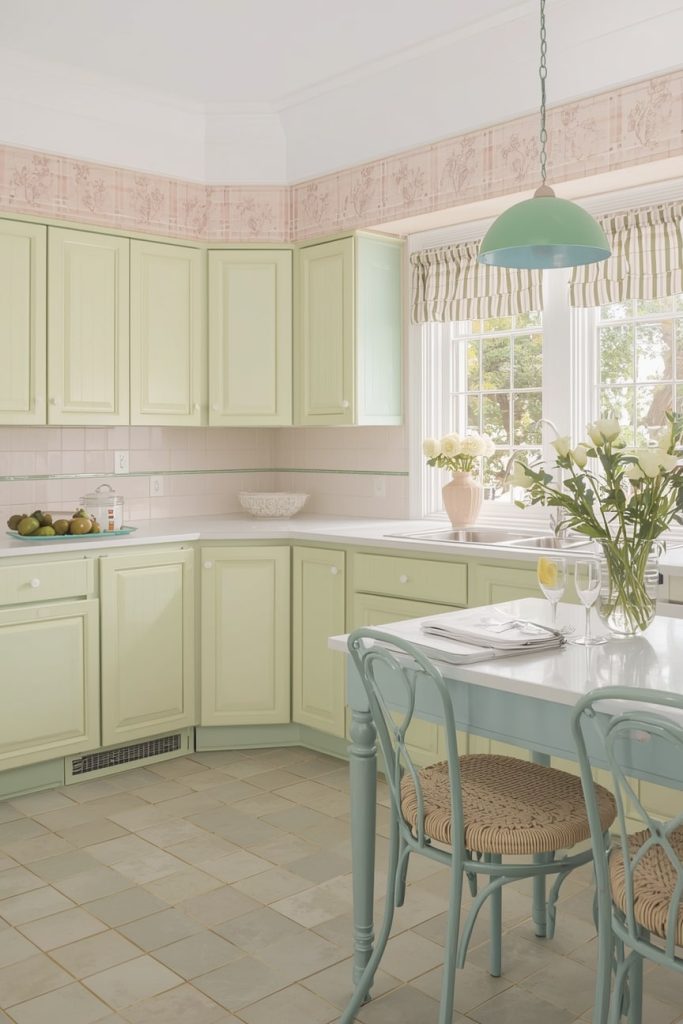
What I love most about 1940 kitchen ideas is how functional they are. Everything had a purpose, from built-in storage to compact layouts, and nothing felt excessive. At the same time, subtle details like pastel colors, chrome hardware, and vintage tile gave these kitchens warmth and personality. Even today, those elements translate beautifully into modern homes.
In this article, I’m sharing 11 authentic 1940 kitchen ideas that honor the era while still working for today’s lifestyles. Whether you want a historically accurate renovation or a vintage-inspired refresh, these ideas will help you capture the heart of a classic 1940s style kitchen.
Table of Contents
- 1. Classic 1940s Kitchen with Black and White Color Scheme
- 2. Pastel 1940s Kitchen with Soft, Cheerful Colors
- 3. Metal Kitchen Cabinets Inspired by 1940s Design
- 4. Functional 1940s Kitchen Layout with Efficient Workflow
- 5. Vintage Tile Kitchen with Simple Backsplashes
- 6. Linoleum Flooring for an Authentic 1940s Look
- 7. 1940s Kitchen Appliances with Retro Charm
- 8. Built-In Storage for a Functional Vintage Kitchen
- 9. Chrome Kitchen Hardware and Fixtures
- 10. Small 1940s Kitchen Ideas with Big Character
- 11. Wartime-Inspired 1940s Kitchen Decor
- Conclusion: Bringing 1940 Kitchen Ideas into Modern Homes
1. Classic 1940s Kitchen with Black and White Color Scheme
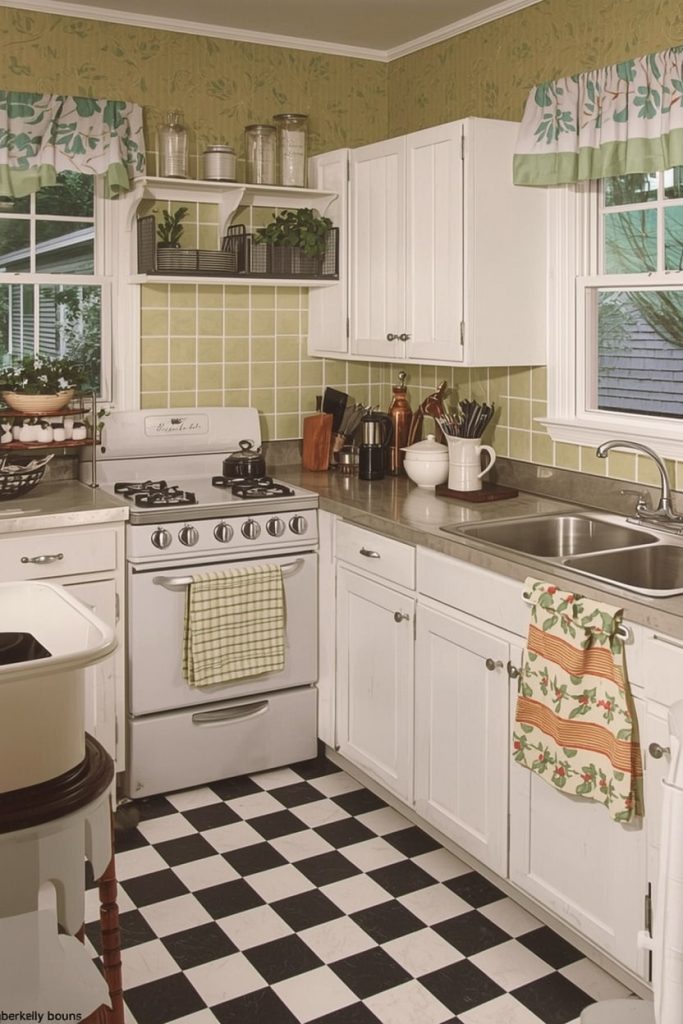
One of the most iconic 1940s kitchen design choices is the black-and-white color palette. I often recommend this look to homeowners who want an instantly recognizable vintage 1940 kitchen without overwhelming the space. The contrast feels crisp, clean, and timeless.
Black-and-white floors—especially checkerboard patterns—were incredibly popular during this era. Paired with white cabinets and black countertops, the result is a practical 1940s kitchen that still feels stylish today.
To soften the look, I like adding small chrome kitchen accents or vintage accessories. These details keep the old-fashioned 1940s kitchen from feeling stark while staying true to its roots.
2. Pastel 1940s Kitchen with Soft, Cheerful Colors
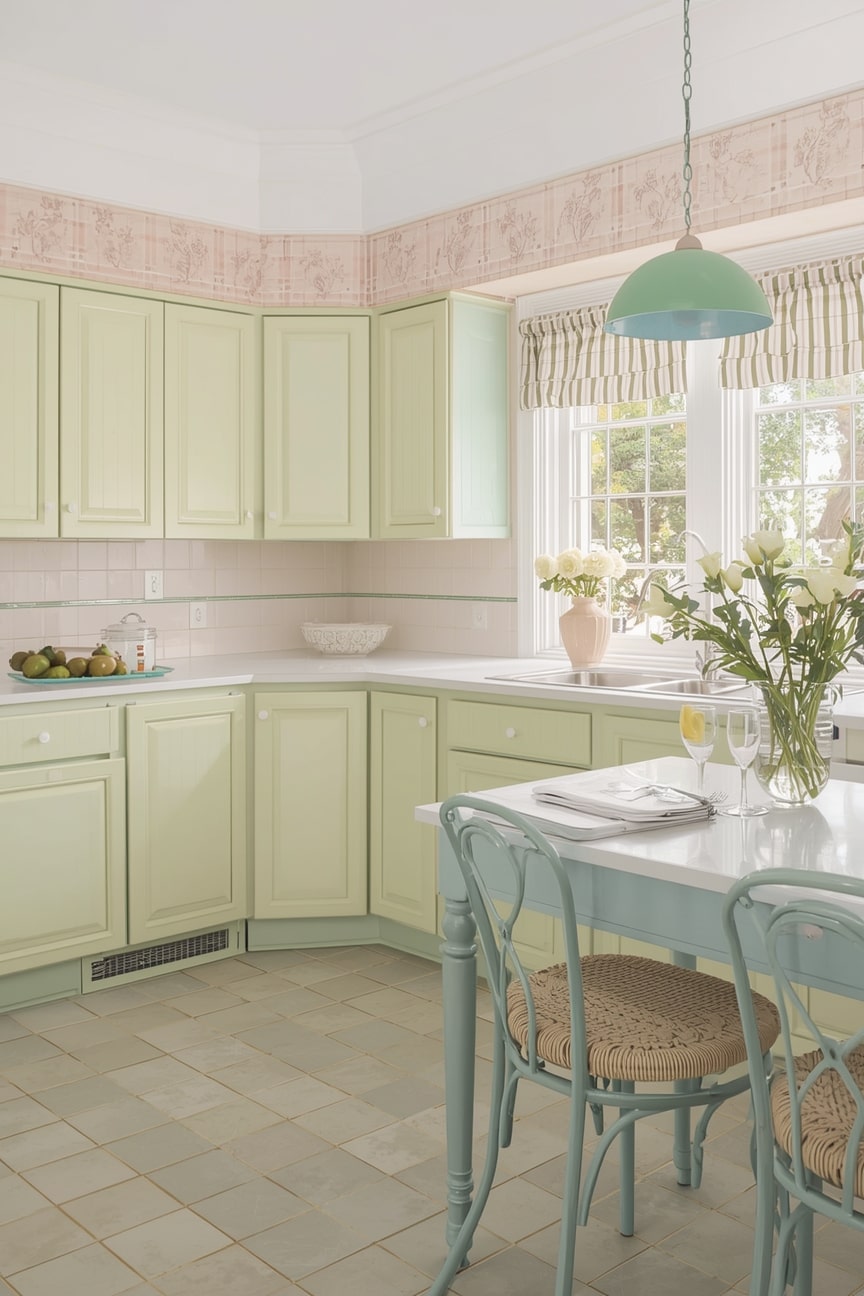
Pastel colors became especially popular in the 1940s, offering a sense of optimism during difficult times. I love using shades like mint green, pale yellow, or soft blue to recreate a pastel 1940s kitchen.
These colors work beautifully on cabinets, walls, or even appliances if you’re going for a retro 1940s kitchen feel. They instantly brighten small spaces and add warmth without overpowering the room.
To balance pastels, I pair them with neutral countertops and simple hardware. This keeps the design authentic while making it adaptable for modern living.
3. Metal Kitchen Cabinets Inspired by 1940s Design
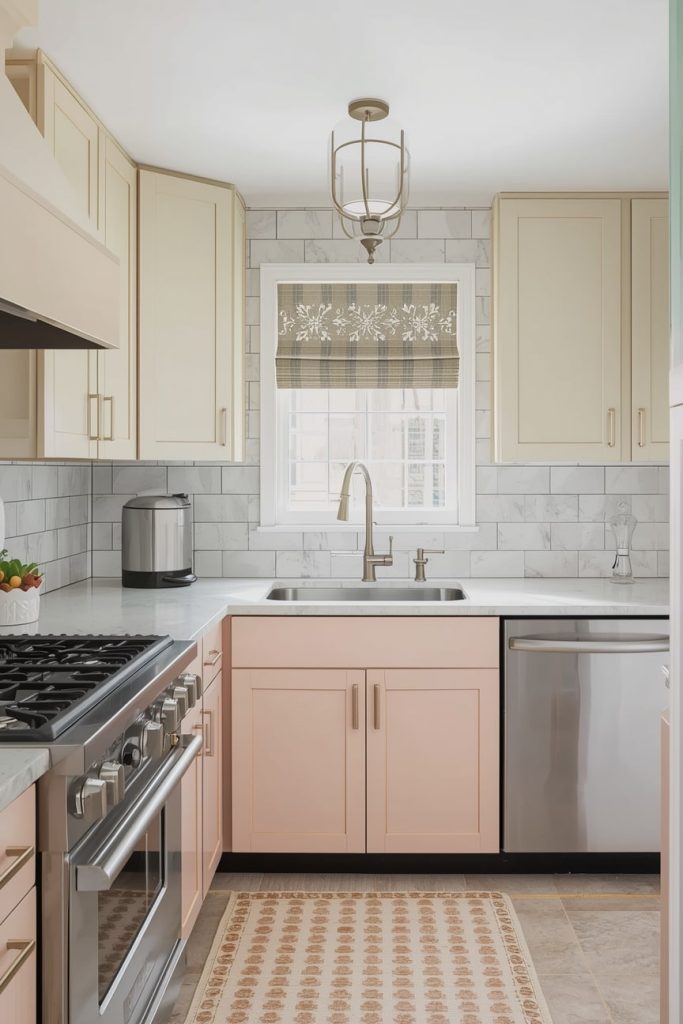
Metal kitchen cabinets were a defining feature of many 1940s kitchens, and I still find them incredibly charming. Steel cabinets were durable, hygienic, and perfect for the practical mindset of the era.
In a modern home, you can recreate this look with reproduction cabinets or painted finishes that mimic the original style. I often suggest pairing metal cabinets with enamel kitchen finishes for authenticity.
These cabinets work especially well in small 1940s kitchen ideas, where durability and efficiency matter most.
4. Functional 1940s Kitchen Layout with Efficient Workflow
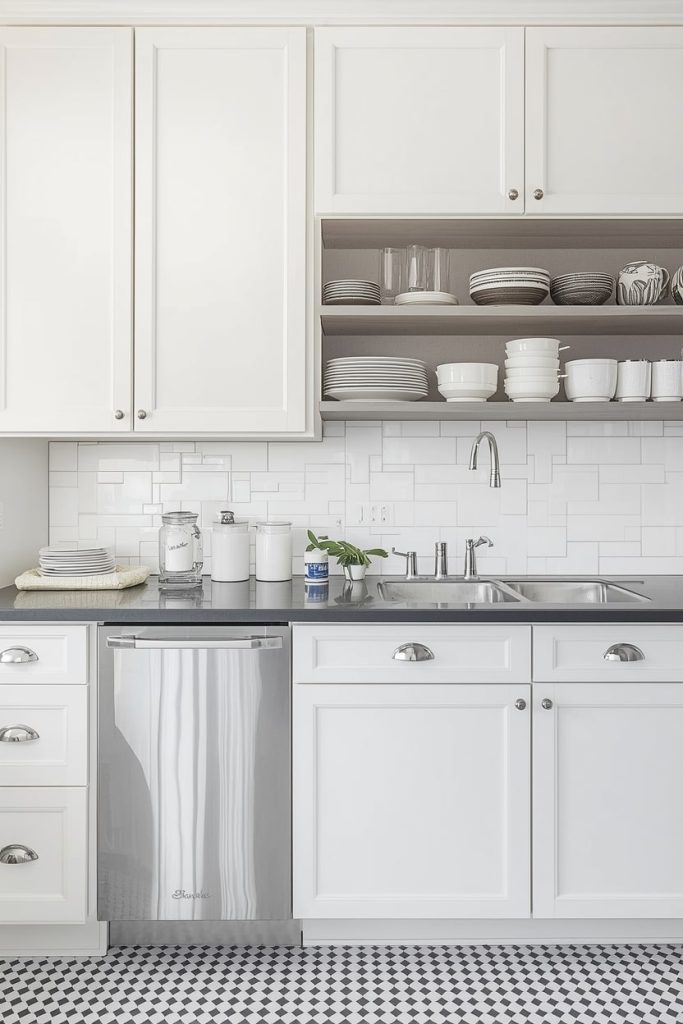
What impresses me most about the 1940s kitchen layout is how thoughtfully it was planned. Every inch mattered, and efficiency was key long before open-concept kitchens existed.
Most layouts focused on compact work zones, keeping the sink, stove, and refrigerator close together. This practical 1940s kitchen layout reduced unnecessary movement and made daily tasks easier.
When updating this layout today, I keep the original flow but improve storage and lighting. It’s a perfect blend of function and vintage charm.
5. Vintage Tile Kitchen with Simple Backsplashes

Tile played a huge role in authentic 1940s kitchen decor. I often see small ceramic tiles used for backsplashes and countertops, chosen for durability and easy cleaning.
White or lightly colored tiles were common, sometimes accented with a darker trim. This detail added interest without distracting from the kitchen’s practical design.
For a modern twist, I recommend keeping the original tile look but upgrading grout and installation methods. This preserves the classic 1940s style kitchen while improving longevity.
6. Linoleum Flooring for an Authentic 1940s Look
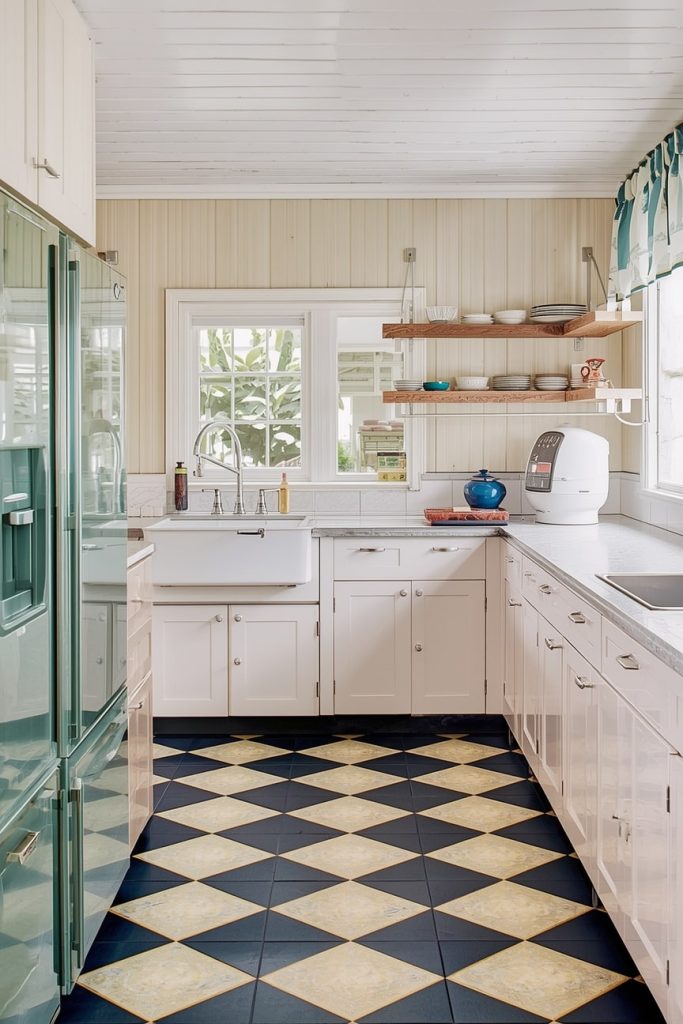
Linoleum flooring kitchen designs were everywhere in the 1940s, and for good reason. Linoleum was affordable, resilient, and available in cheerful patterns and colors.
I love recommending linoleum or modern alternatives that replicate its appearance. Checkerboard patterns or subtle marbling instantly evoke a vintage 1940 kitchen.
This flooring choice pairs beautifully with metal cabinets and vintage appliances, helping ground the entire design in its era.
7. 1940s Kitchen Appliances with Retro Charm
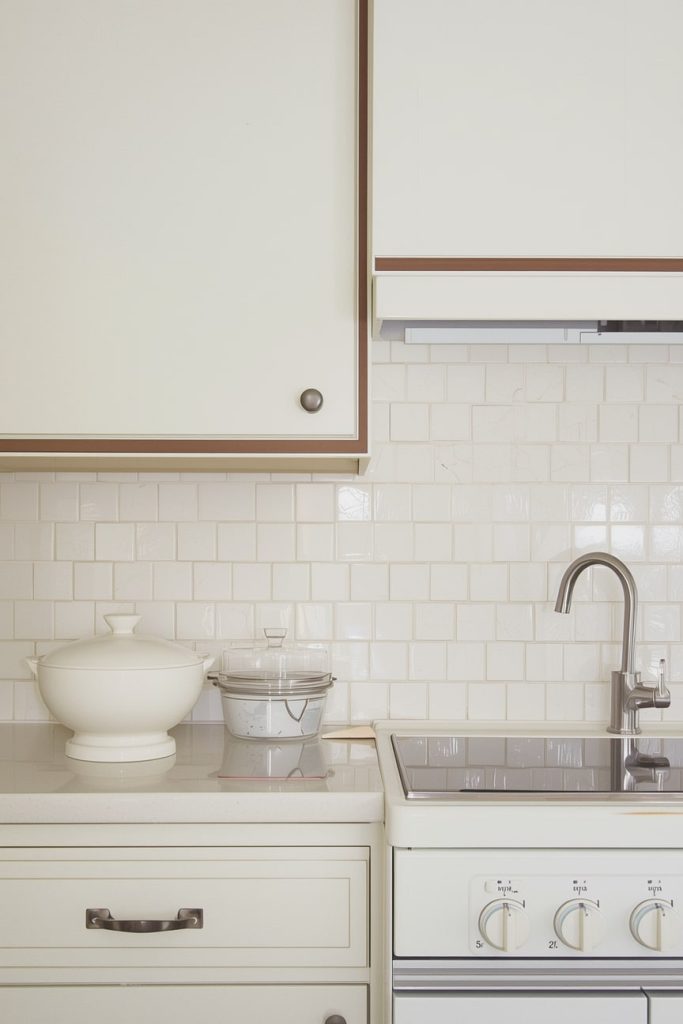
Original 1940s kitchen appliances were built to last, and their rounded shapes still inspire today’s retro designs. When possible, I encourage restoring vintage appliances or choosing modern reproductions.
Retro stoves and vintage refrigerators add character without sacrificing performance. They become focal points in a retro 1940s kitchen.
To keep things balanced, I surround these appliances with simple cabinetry and neutral finishes, letting them shine without overwhelming the space.
8. Built-In Storage for a Functional Vintage Kitchen
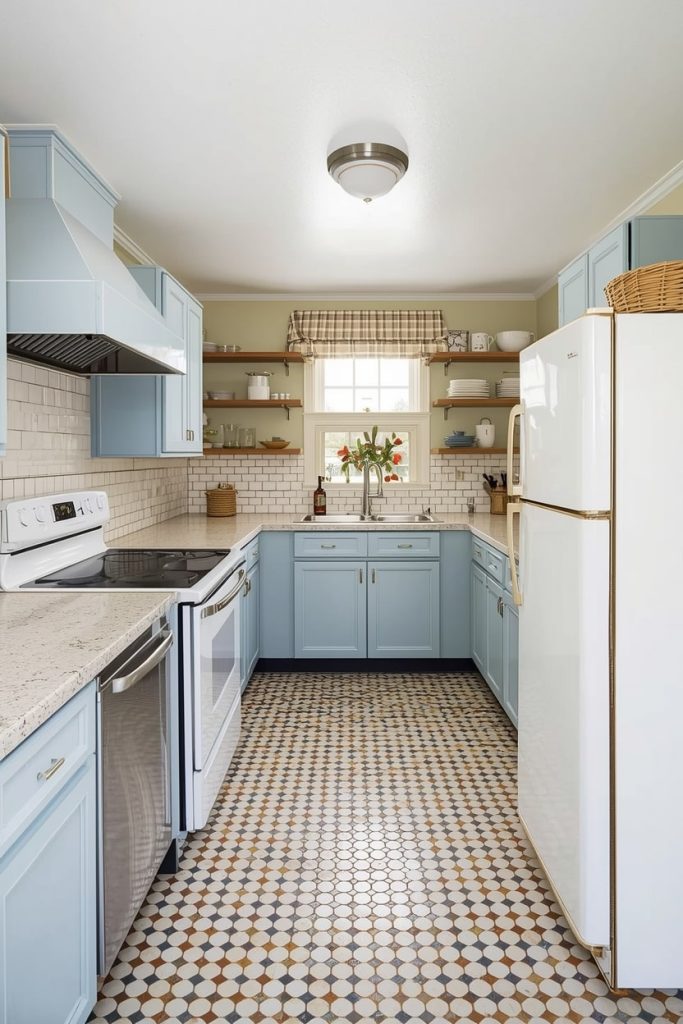
Built-in kitchen storage was essential in 1940s homes, especially during wartime when efficiency mattered. I admire how thoughtfully storage was integrated into the design.
Tall cabinets, pantry units, and wall-mounted shelves helped maximize limited space. These features made the functional vintage kitchen highly practical.
In modern renovations, I keep the built-in look but customize interiors for today’s needs. It’s one of the easiest ways to honor authentic 1940s kitchen ideas.
9. Chrome Kitchen Hardware and Fixtures
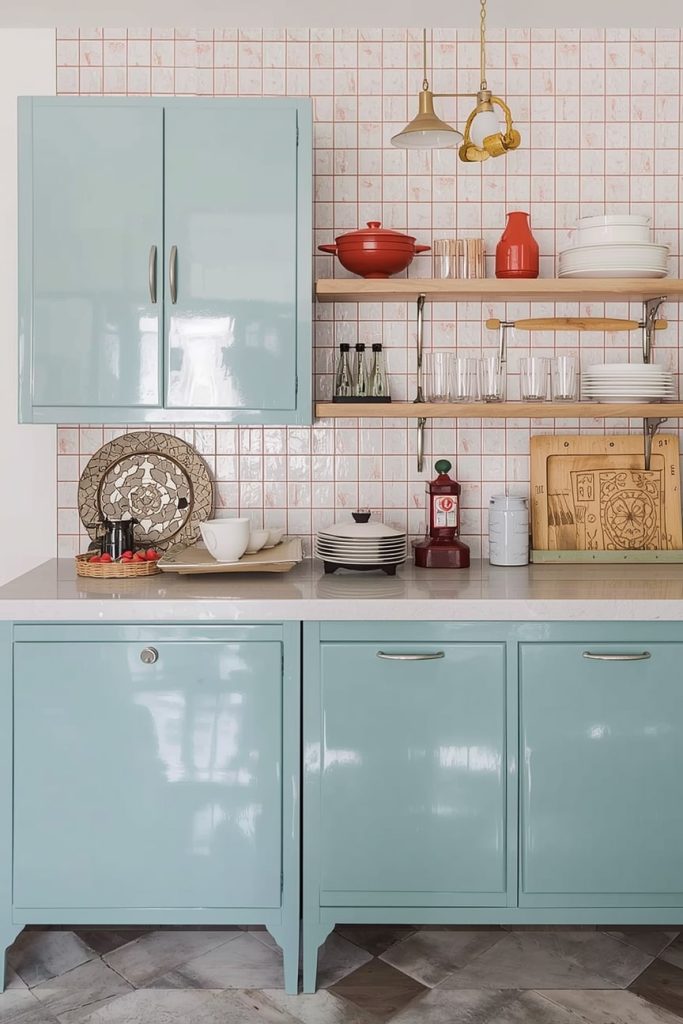
Chrome kitchen hardware is a subtle but powerful detail in a 1940s style kitchen. I love how it reflects light and adds a polished touch without feeling flashy.
From cabinet handles to faucets, chrome finishes were chosen for durability and ease of cleaning. They paired perfectly with enamel and metal surfaces.
When updating a kitchen, I often swap modern hardware for chrome pieces to instantly create a vintage 1940s kitchen feel.
10. Small 1940s Kitchen Ideas with Big Character
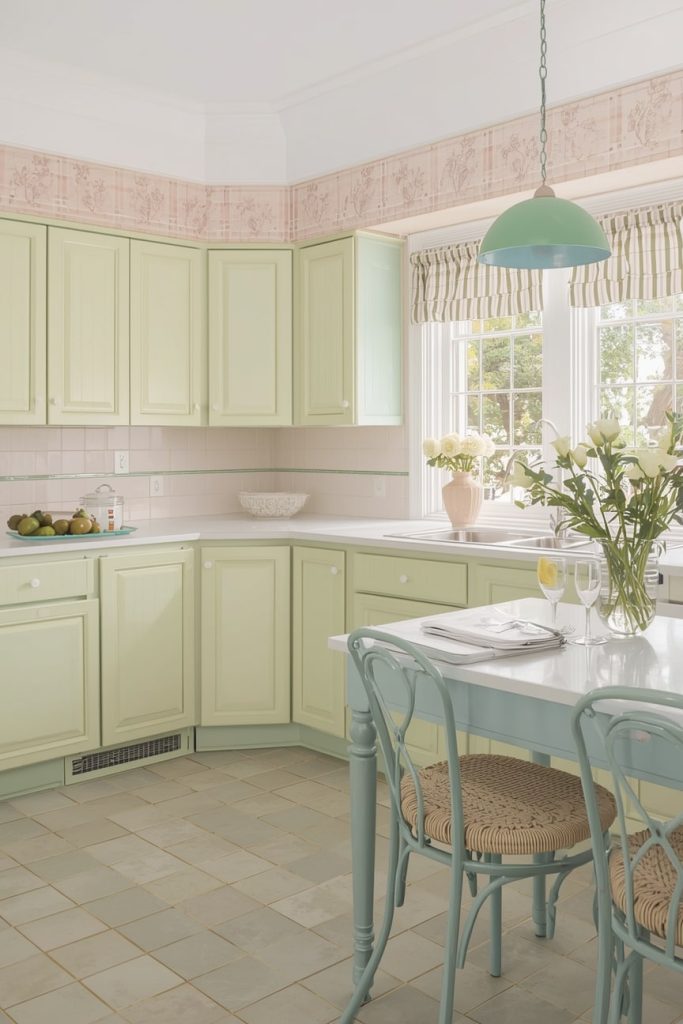
Many 1940s kitchens were compact, yet they never felt boring. I find that small 1940s kitchen ideas often have the most charm.
Thoughtful layouts, light colors, and efficient storage made these kitchens feel larger than they were. Nothing was wasted, and every detail served a purpose.
If you’re working with limited space today, embracing a 1940s design approach can be incredibly effective and stylish.
11. Wartime-Inspired 1940s Kitchen Decor
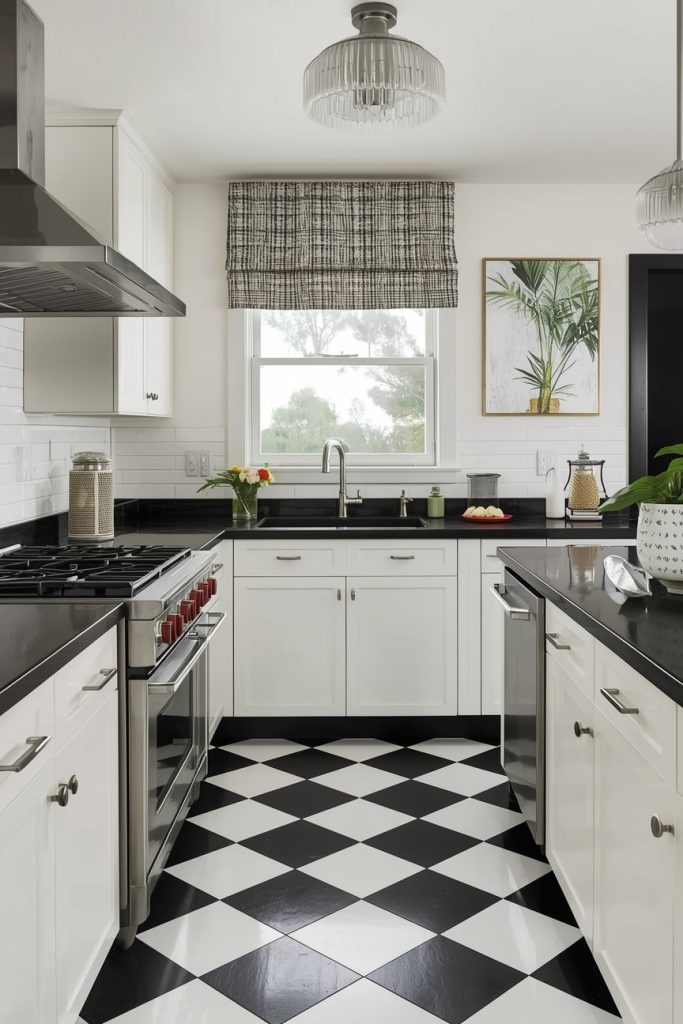
Wartime kitchen design influenced both materials and decor choices in the 1940s. Simplicity, durability, and restraint defined the era.
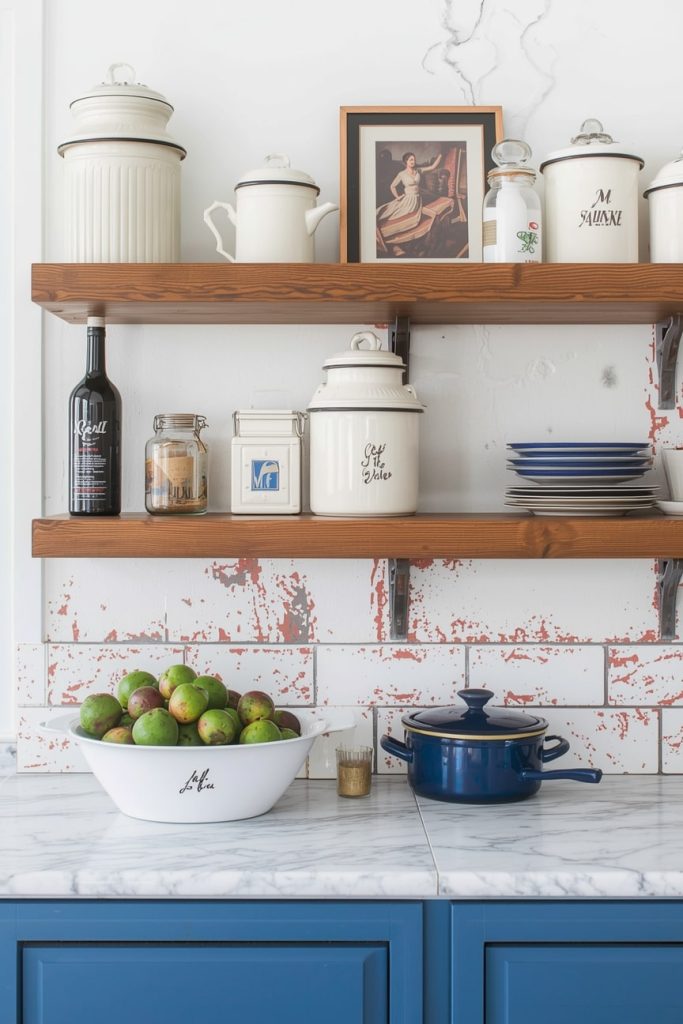
I like incorporating modest decor elements such as vintage canisters, enamel cookware, or period-inspired artwork. These touches feel authentic without overwhelming the space.
This approach results in an old-fashioned 1940s kitchen that feels honest, warm, and deeply rooted in history.
Conclusion: Bringing 1940 Kitchen Ideas into Modern Homes
Designing a kitchen inspired by the 1940s is about more than nostalgia—it’s about embracing efficiency, durability, and thoughtful design. I’m always impressed by how well these kitchens balance function and charm, even decades later.
Whether you choose metal cabinets, pastel colors, linoleum floors, or chrome hardware, each of these 1940 kitchen ideas offers timeless appeal. You don’t need to replicate everything perfectly; even a few vintage elements can transform your space.
By blending authentic details with modern convenience, you can create a kitchen that feels both historical and livable—a true celebration of 1940s style that still works beautifully today.

Emily Harper is a kitchen decor expert and interior designer with a passion for creating stylish, functional spaces. As a busy mom, she understands the importance of a kitchen that works for both family life and design. With 6 years of experience, Emily specializes in transforming kitchens into inviting, practical spaces. She’s known for her ability to blend trends with everyday needs, helping families create kitchens that feel like the heart of the home.