15 Narrow Kitchen Ideas to Maximize Space and Style
If you’re dealing with a narrow kitchen, I feel you. It can feel like a puzzle trying to make a small, tight space functional and stylish.

But don’t worry—I’ve got you covered with 15 practical and creative ideas to turn your narrow kitchen into a space you’ll love. Whether you’re a homeowner, renter, or designer, these tips will help you maximize every inch while keeping things beautiful.
Let’s dive in and explore how to make your narrow kitchen work for you.
Table of Contents
- Understanding Narrow Kitchen Challenges
- Design Principles for Narrow Kitchens
- 15 Narrow Kitchen Ideas
- 1. Slimline Appliances
- 2. Vertical Storage Solutions
- 3. Foldable or Extendable Surfaces
- 4. Sliding Doors for Cabinets
- 5. Multi-Functional Furniture
- 6. Magnetic Wall Storage
- 7. Under-Cabinet Storage
- 8. Built-In Seating
- 9. Open Shelving for Airiness
- 10. Pull-Out Countertops
- 11. Corner Storage Solutions
- 12. Reflective Backsplashes
- 13. Integrated Lighting
- 14. Compact Sink Solutions
- 15. Modular Storage Systems
- Practical Tips for Implementation
- Aesthetic Enhancements
- Conclusion
Understanding Narrow Kitchen Challenges
Living with a narrow kitchen comes with unique challenges. There’s often not enough counter space. The layout can feel cramped. Storage? That’s a constant battle. I’ve seen it in my own tiny apartment kitchen, where every square inch counts.
Narrow kitchens are common in small apartments, tiny homes, or older properties with quirky layouts. The good news? You can overcome these hurdles with smart design choices.
What do you need from your kitchen? You want it to be efficient for cooking, have plenty of storage, and look good too. A narrow space doesn’t mean you have to sacrifice any of these.
By focusing on clever layouts, storage solutions, and design tricks, you can make your kitchen feel bigger and work better. Let’s start by looking at some core design principles to set the foundation.
Design Principles for Narrow Kitchens
Layout Optimization
First things first: the layout. In a narrow kitchen, a galley layout is your best friend. You’ve got two options—single-wall or double-wall. A single-wall layout keeps everything on one side, leaving more open space. A double-wall galley puts cabinets and appliances on both sides, maximizing storage but requiring careful planning to avoid a cramped feel. I love a single-wall setup in my own space because it keeps the kitchen open and airy.
No matter the layout, think about the kitchen work triangle—sink, stove, refrigerator. Keep these close enough for easy movement but not so tight that you’re bumping into things. Measure your space carefully to ensure everything fits. Trust me, a little planning goes a long way.
Color and Lighting
Color can make or break a narrow kitchen. Light colors are your allies. Whites, soft grays, or pastels reflect light and make the space feel bigger. I painted my kitchen walls a creamy white, and it instantly felt more open. Avoid dark colors on walls or cabinets—they can make the space feel like it’s closing in.
Lighting is just as important. Under-cabinet lights brighten up your prep area. Pendant lights add style and focus light where you need it. Recessed lighting keeps things sleek. I added LED strips under my cabinets, and it’s a game-changer for nighttime cooking. Good lighting not only helps you see but also makes the kitchen feel more spacious.
Material Choices
Choose materials that enhance the sense of space. Reflective surfaces like glossy tiles or glass backsplashes bounce light around, making the kitchen feel bigger. I swapped out my old backsplash for glossy white subway tiles, and the difference was night and day. Stick to durable, low-maintenance materials since narrow kitchens can get messy fast. Think stainless steel, quartz countertops, or easy-clean laminates.
Now that we’ve covered the basics, let’s get to the fun part—the 15 ideas that’ll transform your narrow kitchen.
15 Narrow Kitchen Ideas
1. Slimline Appliances

Narrow kitchens demand compact solutions. Slimline appliances are a lifesaver. Think slim refrigerators, narrow dishwashers, or even combo washer-dryer units for multi-purpose spaces. I swapped my bulky fridge for a counter-depth model, and it freed up so much floor space. Look for appliances designed for small spaces—they’re just as powerful but take up less room. Brands like Bosch and Smeg have great options for narrow kitchens.
2. Vertical Storage Solutions

When floor space is tight, go up! Tall cabinets or open shelving make use of vertical space. I installed floor-to-ceiling cabinets in my kitchen, and it’s amazing how much I can store. Pull-out pantry systems are another great option—they slide out for easy access and tuck away neatly. If you’re a renter, consider tension-rod shelves that don’t require permanent installation. Vertical storage keeps your counters clear and your kitchen organized.
3. Foldable or Extendable Surfaces

Need more counter space? Foldable surfaces are your answer. Drop-leaf tables or foldable counter extensions give you extra workspace when you need it. I have a wall-mounted drop-leaf table that I pull down for meal prep and tuck away when I’m done. It’s perfect for chopping veggies or rolling out dough. Look for sturdy, easy-to-install options that match your kitchen’s style.
4. Sliding Doors for Cabinets

Swinging cabinet doors can be a hassle in a narrow kitchen. They take up space and can block your path. Sliding doors are a smart alternative. I replaced my upper cabinet doors with sliding glass ones, and it not only saved space but also gave my kitchen a modern vibe. Glass-fronted sliding doors make the space feel open while keeping dust off your dishes.
5. Multi-Functional Furniture

Multi-functional furniture is a game-changer. A kitchen island with built-in storage or seating can serve multiple purposes. I have a small island with shelves underneath for cookbooks and baskets. Rolling carts are another great option—they provide extra counter space and can be moved out of the way when not in use. Look for pieces that do double duty to maximize your space.
6. Magnetic Wall Storage

Want to free up counter and drawer space? Try magnetic wall storage. Magnetic strips or panels are perfect for knives, utensils, or spice jars. I put up a magnetic strip for my knives, and it’s so convenient—no more digging through drawers. You can even use magnetic boards for notes or recipes. It’s a simple, affordable way to keep essentials within reach.
7. Under-Cabinet Storage

Don’t let the space under your cabinets go to waste. Hooks or racks can hold mugs, pots, or utensils. I added hooks under my cabinets for my favorite coffee mugs, and it’s both practical and cute. Under-cabinet baskets are great for storing sponges, dishcloths, or small gadgets. These little additions make a big difference in a narrow kitchen.
8. Built-In Seating

If your kitchen doubles as a dining area, built-in seating is a must. A narrow bench or banquette along one wall saves space and adds charm. I built a bench with storage underneath for extra linens and kitchen gadgets. It’s cozy and functional. If you’re tight on space, look for slim benches or even foldable stools that can be stored away.
9. Open Shelving for Airiness

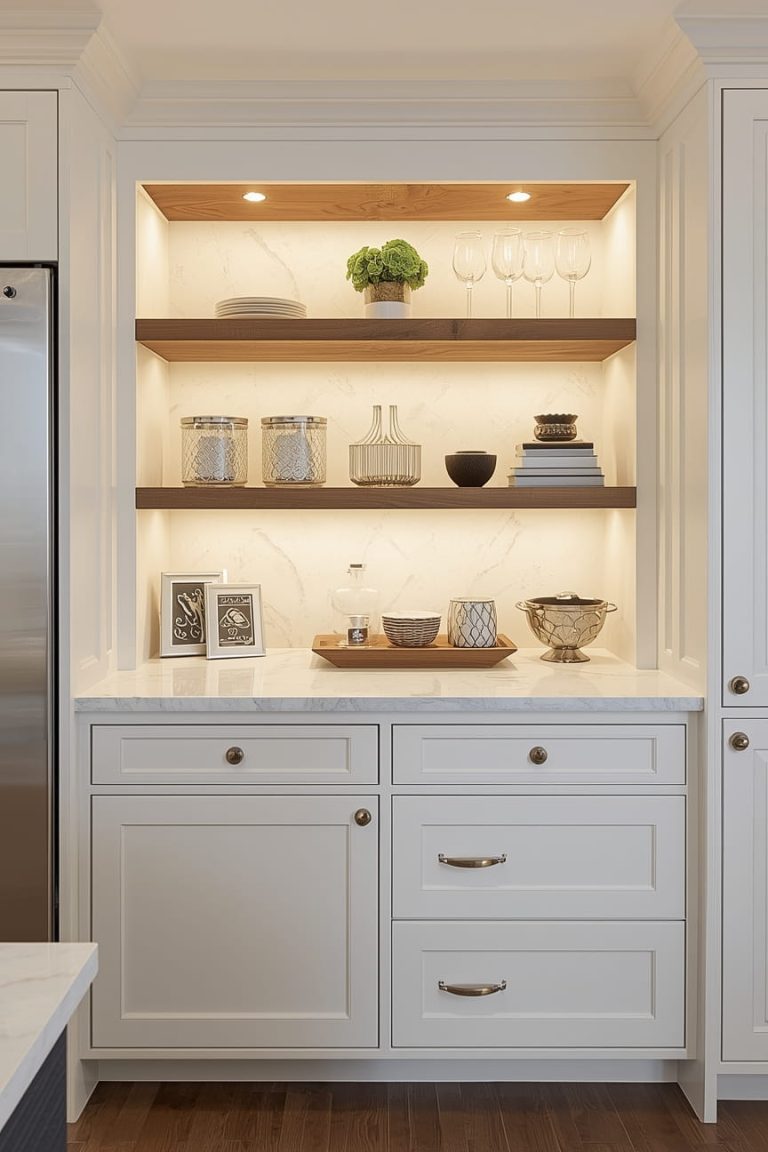
Upper cabinets can make a narrow kitchen feel heavy. Open shelving is a lighter alternative. It reduces visual bulk and keeps the space airy. I swapped out some of my upper cabinets for open shelves, and it made my kitchen feel so much bigger. Style them with minimal, cohesive decor—think matching jars or sleek dishware. Just don’t overdo it, or it’ll look cluttered.
10. Pull-Out Countertops

Need extra prep space but don’t want a permanent counter? Pull-out countertops are the answer. These slide out when you need them and tuck away when you don’t. I installed a pull-out countertop next to my sink, and it’s perfect for chopping or setting out ingredients. Look for sturdy designs that can handle heavy cutting boards or appliances.
11. Corner Storage Solutions

Corners are often wasted in narrow kitchens. Corner drawers or lazy Susans make these spaces usable. I added a lazy Susan to my corner cabinet, and now I can easily reach pots and pans that used to be buried. Pull-out organizers are another great option for deep corners. They maximize storage without forcing you to dig through dark spaces.
12. Reflective Backsplashes

A reflective backsplash can make your kitchen feel twice as big. Mirrored or glossy tiles reflect light and add depth. I chose glossy white subway tiles for my backsplash, and it brightens up the whole room. Pick easy-to-clean materials—trust me, you’ll appreciate it when grease splatters. A reflective backsplash is both practical and stylish.
13. Integrated Lighting

Lighting can transform a narrow kitchen. LED strips under cabinets or along shelves provide task lighting and ambiance. I added dimmable LED strips under my cabinets, and I love how they make late-night cooking feel cozy. Pendant lights over a small island or dining area add style. Choose energy-efficient options to keep your bills low.
14. Compact Sink Solutions

A big sink can eat up precious counter space. Opt for a single-bowl or corner sink instead. I switched to a single-bowl sink, and it freed up room for a drying rack. You can also use sink covers to create extra prep space. Look for covers that double as cutting boards for even more functionality.
15. Modular Storage Systems

Flexibility is key in a narrow kitchen. Modular storage systems let you customize shelving or drawer organizers to fit your needs. I use adjustable drawer dividers to keep utensils and gadgets organized. You can reconfigure them as your needs change—perfect for renters or anyone who likes to switch things up. Look for systems that are easy to install and adjust.
Practical Tips for Implementation
Budget Considerations
Transforming your kitchen doesn’t have to break the bank. Start with cost-effective solutions like open shelving or DIY storage. I made my own open shelves using reclaimed wood, and it cost less than $50. Invest in durable appliances for long-term savings—they’ll last longer and perform better. Shop sales or secondhand stores for deals on slimline appliances or furniture.
Space Planning
Before you start, measure your kitchen carefully. I learned this the hard way when I ordered a fridge that was just an inch too wide. Use a tape measure to check dimensions for appliances, cabinets, and furniture. Online tools like RoomSketcher or Planner 5D can help you visualize your layout in 3D. A little planning prevents costly mistakes.
Maintenance and Upkeep
Narrow kitchens can get messy fast. Choose materials that are easy to clean, like quartz countertops or glossy tiles. I wipe down my backsplash weekly, and it still looks brand new. Declutter regularly—toss out expired spices or donate gadgets you don’t use. A tidy kitchen feels bigger and works better.
Aesthetic Enhancements
Color Schemes
Stick to monochromatic or neutral palettes for a cohesive, spacious look. My kitchen is all white and light gray, with a few blue dish towels for color. It feels calm and open. If you want a pop of color, use accessories like dishware, rugs, or curtains. A bright red kettle or a patterned rug can add personality without overwhelming the space.
Decor Ideas
Keep decor minimal to avoid clutter. A small piece of wall art or a framed print adds charm without taking up space. I hung a simple botanical print above my sink, and it makes the room feel homey. Plants or herbs are great too—try a small potted basil on your windowsill. They add life and double as ingredients.
Personalization
Make your kitchen yours with small touches. I labeled my spice jars with cute stickers, and it keeps things organized and fun. Swap out boring cabinet handles for unique ones—brass or ceramic knobs can elevate the look. A patterned tile backsplash can also add personality without breaking the budget.
Conclusion
There you have it—15 ideas to transform your narrow kitchen into a space that’s functional, stylish, and totally you.
From slimline appliances to reflective backsplashes, these tips help you make the most of every inch. The key is balancing storage, workflow, and aesthetics. You don’t need a big kitchen to cook, entertain, or enjoy your space.
Start small—maybe try open shelving or a magnetic strip. As you see the difference, you’ll feel inspired to keep going. Your dream kitchen is just a few smart choices away.

Emily Harper is a kitchen decor expert and interior designer with a passion for creating stylish, functional spaces. As a busy mom, she understands the importance of a kitchen that works for both family life and design. With 6 years of experience, Emily specializes in transforming kitchens into inviting, practical spaces. She’s known for her ability to blend trends with everyday needs, helping families create kitchens that feel like the heart of the home.